Empowering Communities with clean water and sustainable sanitation.
YAWASH is transforming lives through clean water access, hygiene education and sustainable waste management
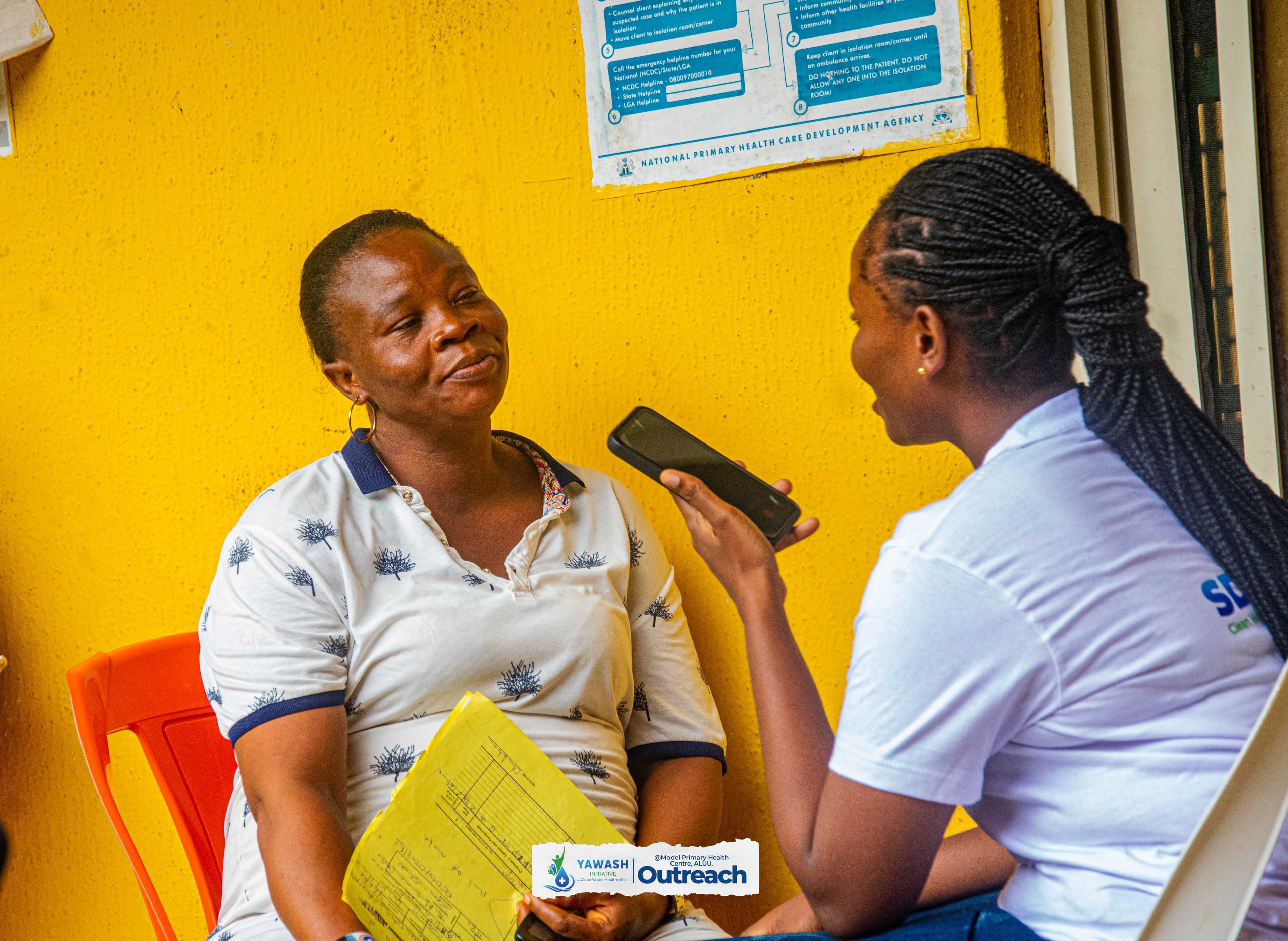
It began with a research project
YAWASH began as a research project that turned waste aluminum cans into alum for purifying water. It has since grown into a movement of young people working alongside African communities.
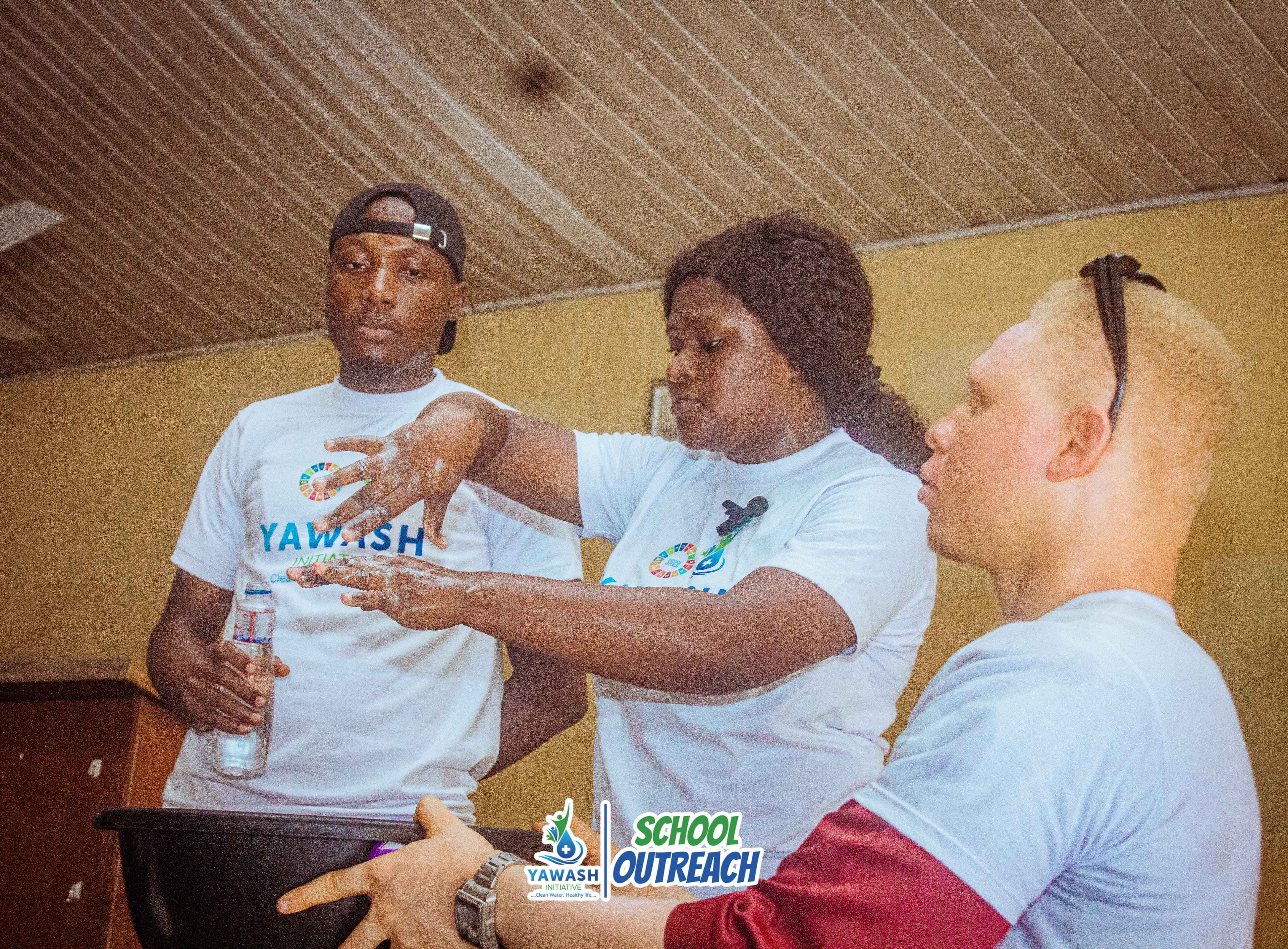
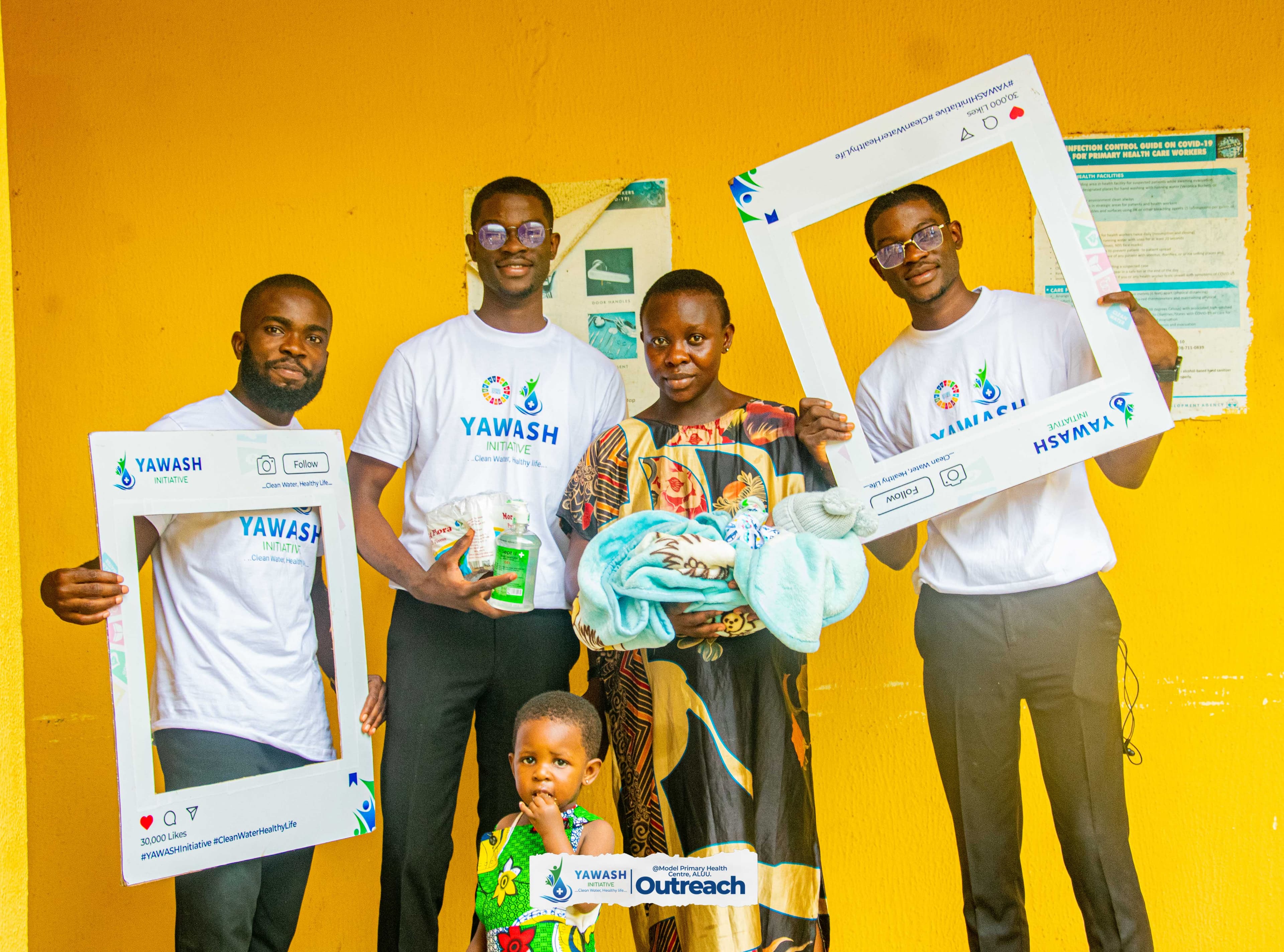
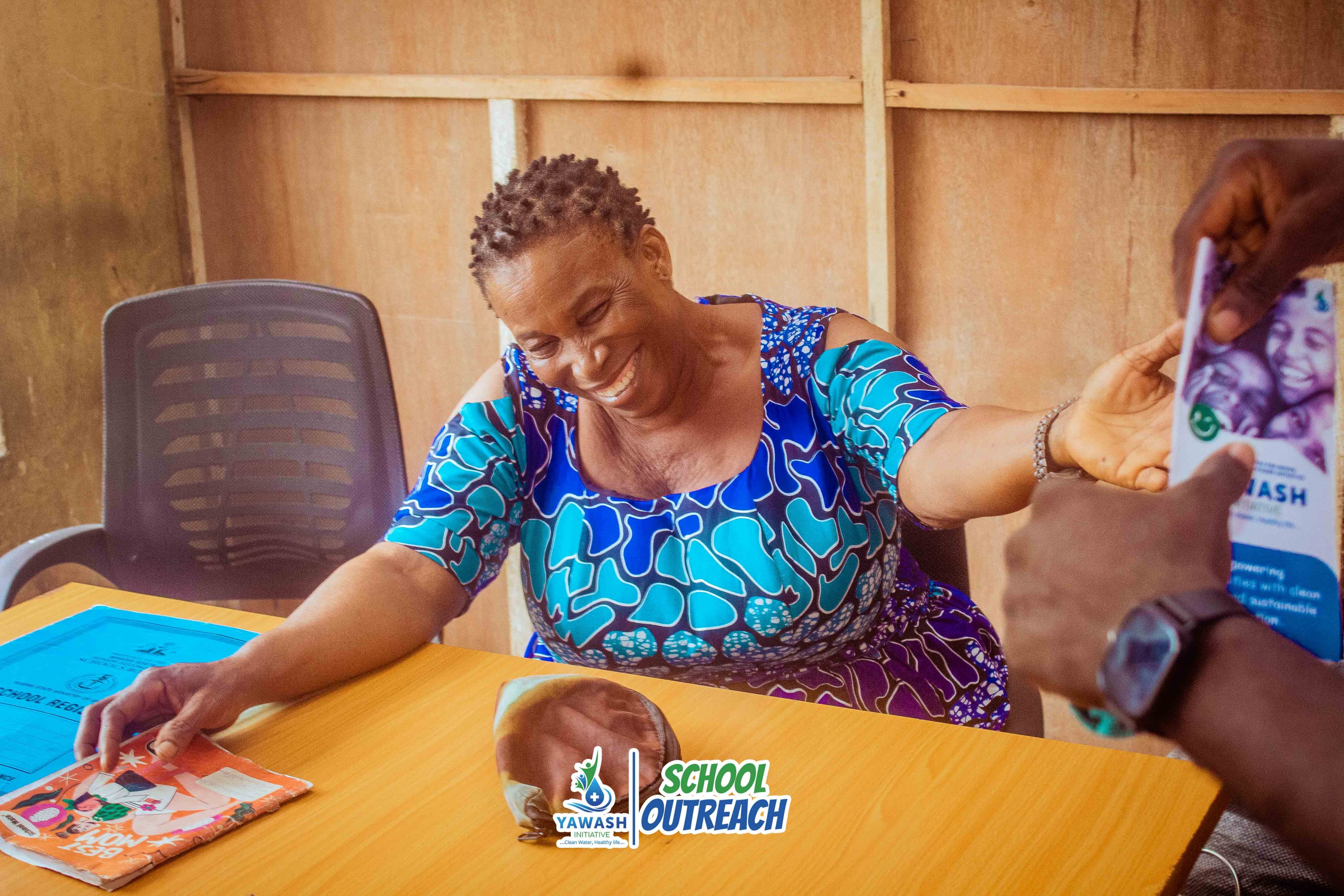
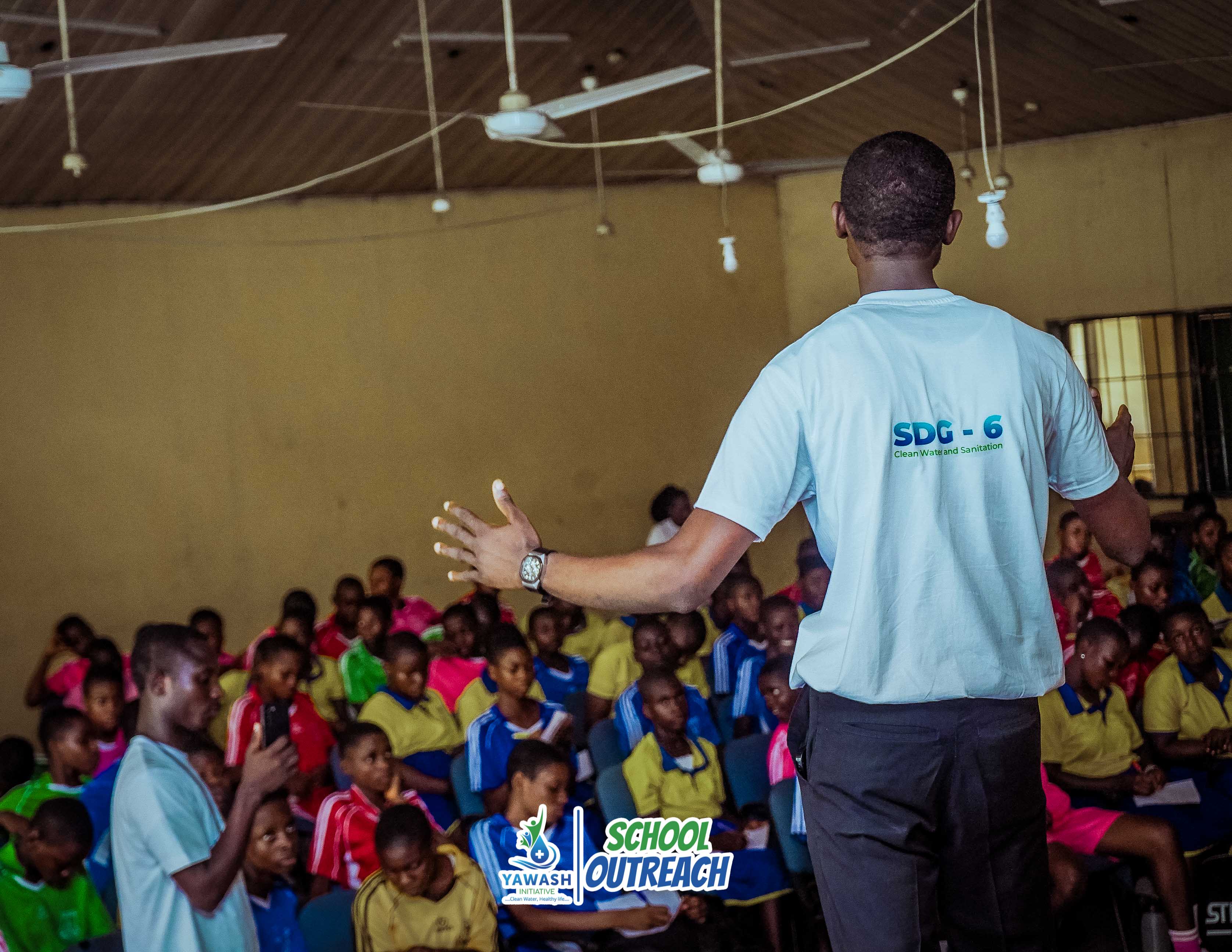
Today our volunteers run handwashing workshops in schools, test water in the communities we visit, and teach young people to look after their environment.
Clean, safe water and a healthy environment are fundamental human rights.
Read our storySafe water, clean surroundings, and young people who look after both.
Our work starts in the community. We build what is missing, teach what keeps it working, and hand it over to the people who live there.
Volunteer with usPotable water projects
We install solar-powered clean water systems in slums and rural communities across Sub-Saharan Africa, so no one has to go without safe water.
Sanitation and the 5Rs
We teach hygiene in schools and communities, campaign against indiscriminate dumping, and promote the 5Rs: Refuse, Reduce, Reuse, Recycle and Recover.
Youth mentorship and community liaison
We teach teenagers about environmental responsibility, mentor young volunteers toward careers in the sector, and connect communities with the water and waste agencies that serve them.
Inside our communities and classrooms
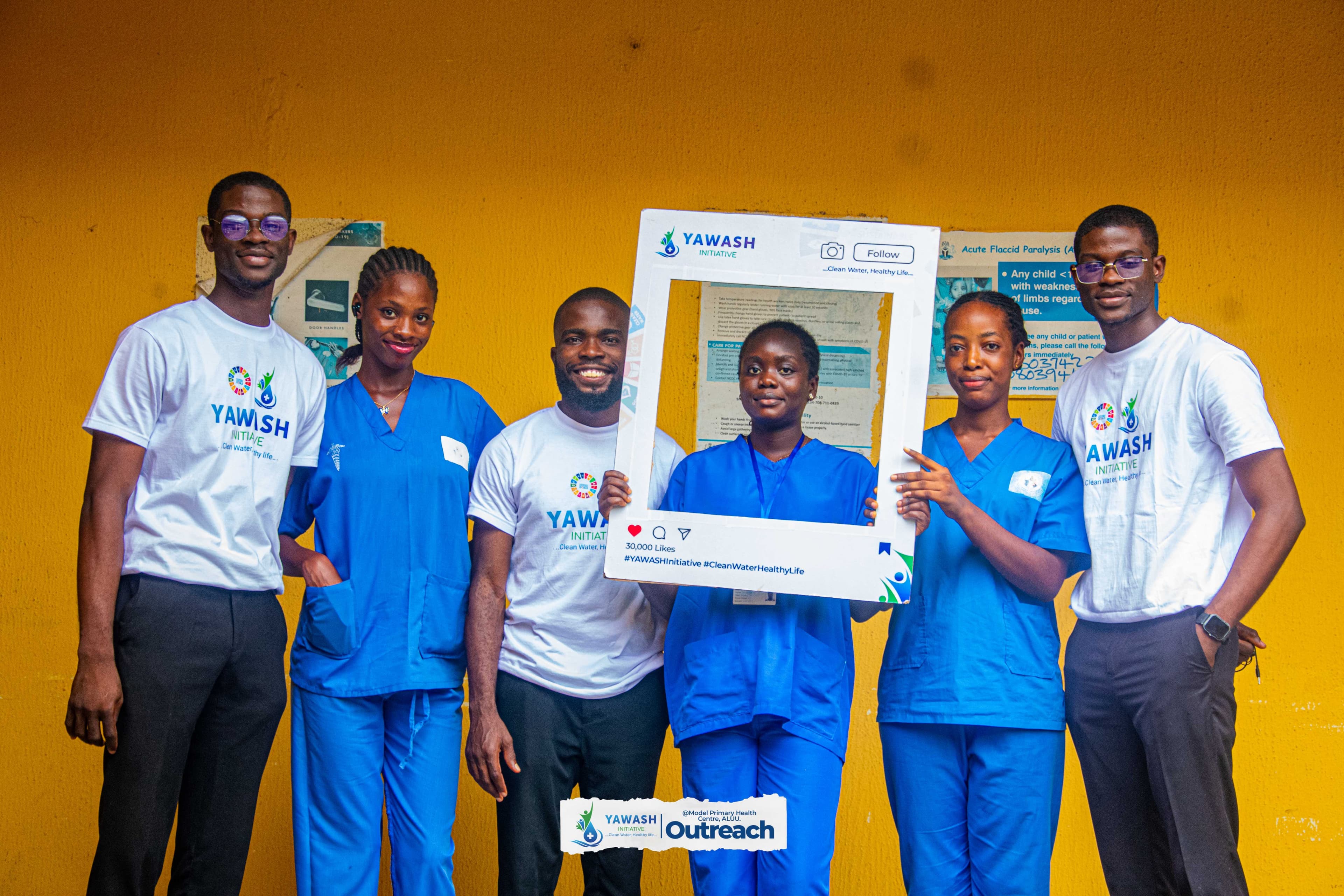
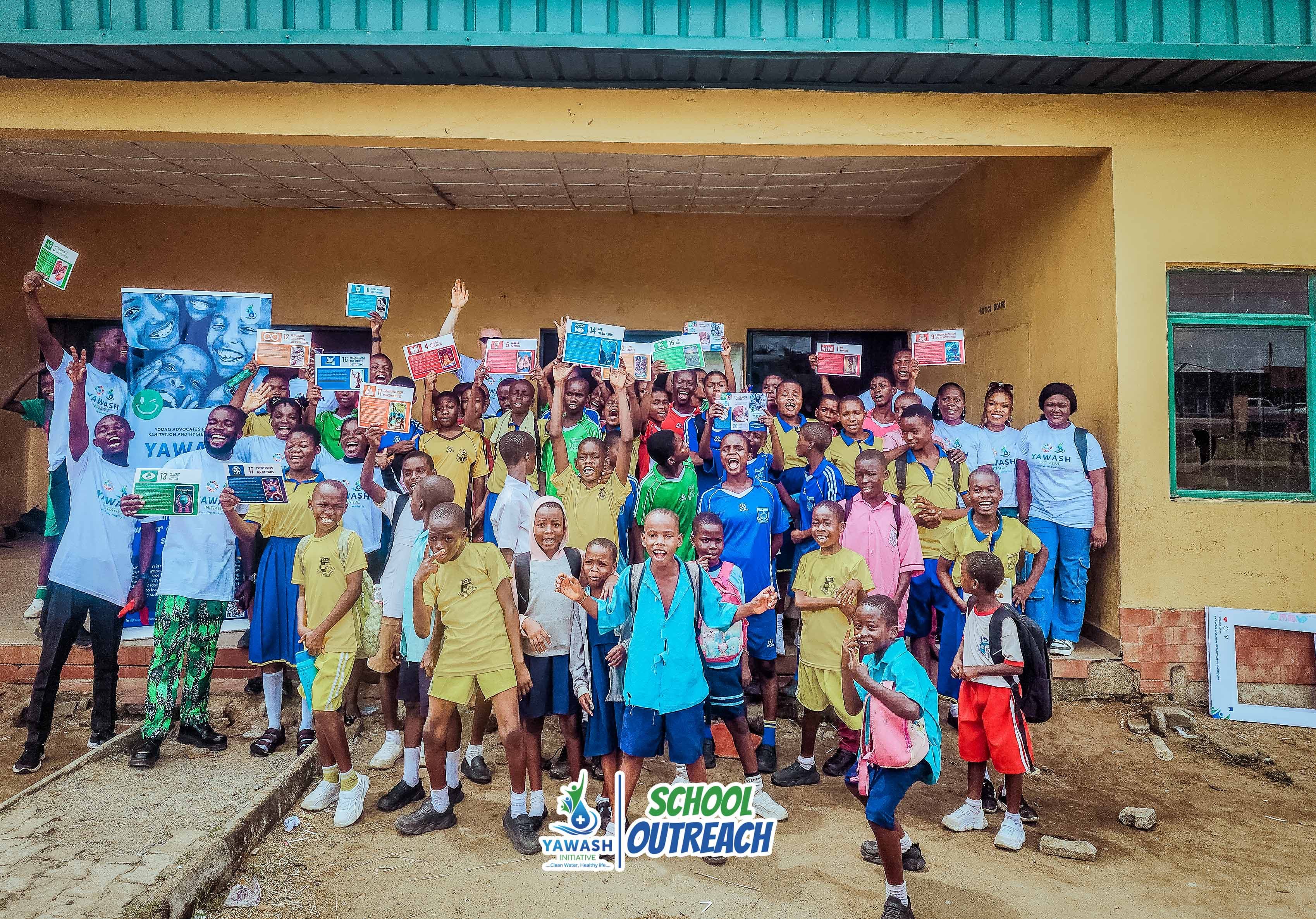
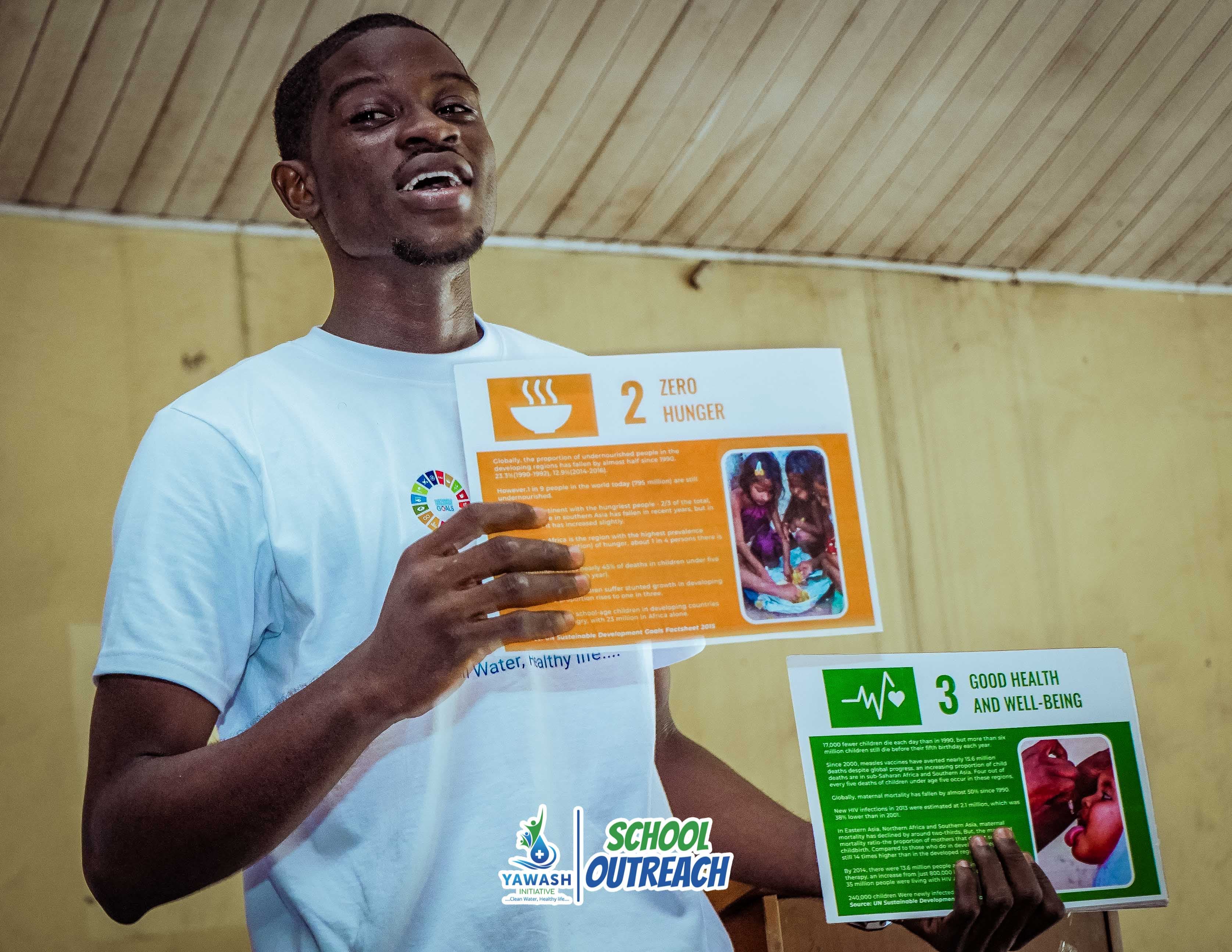
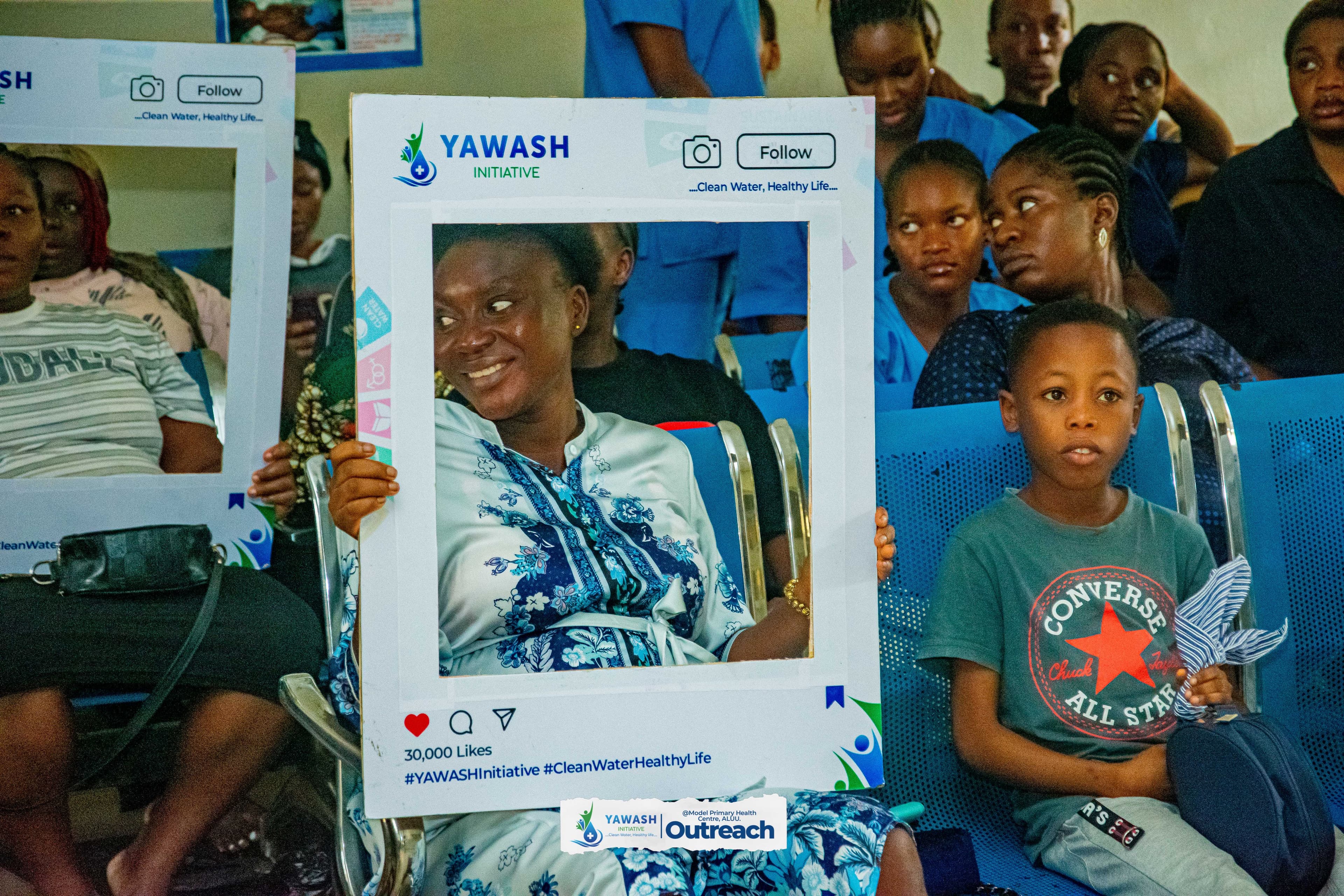
See all photosSchool hygiene and handwashing workshops
Community Primary, Rivers State, second outreach
Latest blog posts
Field stories, research updates and lessons from our work on clean water, hygiene and sanitation across Africa.
No blog post available now
Coming soon.
Until then, see photos from our outreaches in schools and communities.
Browse the media gallery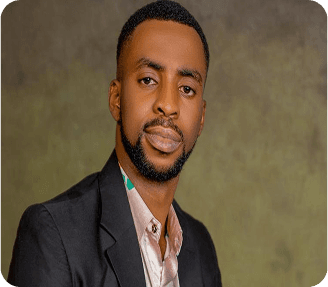
“What started as a research project converting waste aluminum cans into water purification alum has grown into a passionate movement across African communities. We believe clean, safe water and a healthy environment are not privileges. They are fundamental human rights.”